
Piston Ejection

Quote from randykaustin on February 4, 2026, 9:16 amAnyone have advice on the use of a piston (powered by the ejection charge) to eject the recovery chute?
Anyone have advice on the use of a piston (powered by the ejection charge) to eject the recovery chute?

Quote from Eric Becher on February 4, 2026, 9:56 amMy advice: Don't! 😂
I should start by saying that I haven't done it. But that's because I have read and seen (on others' rockets) that there are a lot of problems with them. It sounds like a nice idea, but just doesn't work as easily as it sounds, to the point that I have had several kits where the instructions say they have them and how to do it, but the manufacturer has taken them out of the kits and added an addendum.
The issues are that the piston doesn't function smoothly. It jams in the body tube for various reasons. Glue inside the tube, shock cords getting wedged in it, soot from past flights making it stick, or just temperature changes making the fit poor. The fit needs to be perfect. Too tight and it doesn't slide. Too loose and it can jam by getting cocked, chutes or cords jammed in it, or it lets the gas blow by defeating the purpose.
I'm a big believer in the K.I.S.S. concept. The fewer moving parts, the better. If you want to avoid using wadding or barf, try a nomex blanket. I've had mixed results using baffles, so even with those, I add a little wadding too.
But if you still want to try it, make sure it is clean and dry. The fit allows it to slide easily, but not shift its position. And clean the tube & piston after every launch. Check it's function just before flight, after it has adjusted to the ambient temperature. And pray!
My advice: Don't! 😂
I should start by saying that I haven't done it. But that's because I have read and seen (on others' rockets) that there are a lot of problems with them. It sounds like a nice idea, but just doesn't work as easily as it sounds, to the point that I have had several kits where the instructions say they have them and how to do it, but the manufacturer has taken them out of the kits and added an addendum.
The issues are that the piston doesn't function smoothly. It jams in the body tube for various reasons. Glue inside the tube, shock cords getting wedged in it, soot from past flights making it stick, or just temperature changes making the fit poor. The fit needs to be perfect. Too tight and it doesn't slide. Too loose and it can jam by getting cocked, chutes or cords jammed in it, or it lets the gas blow by defeating the purpose.
I'm a big believer in the K.I.S.S. concept. The fewer moving parts, the better. If you want to avoid using wadding or barf, try a nomex blanket. I've had mixed results using baffles, so even with those, I add a little wadding too.
But if you still want to try it, make sure it is clean and dry. The fit allows it to slide easily, but not shift its position. And clean the tube & piston after every launch. Check it's function just before flight, after it has adjusted to the ambient temperature. And pray!

Quote from Admin on February 4, 2026, 10:46 amQuote from randykaustin on February 4, 2026, 9:16 amAnyone have advice on the use of a piston (powered by the ejection charge) to eject the recovery chute?
My 2¢ adjusted to 5¢ because of the demise of the penny.
Depends on the rocket and its materials.
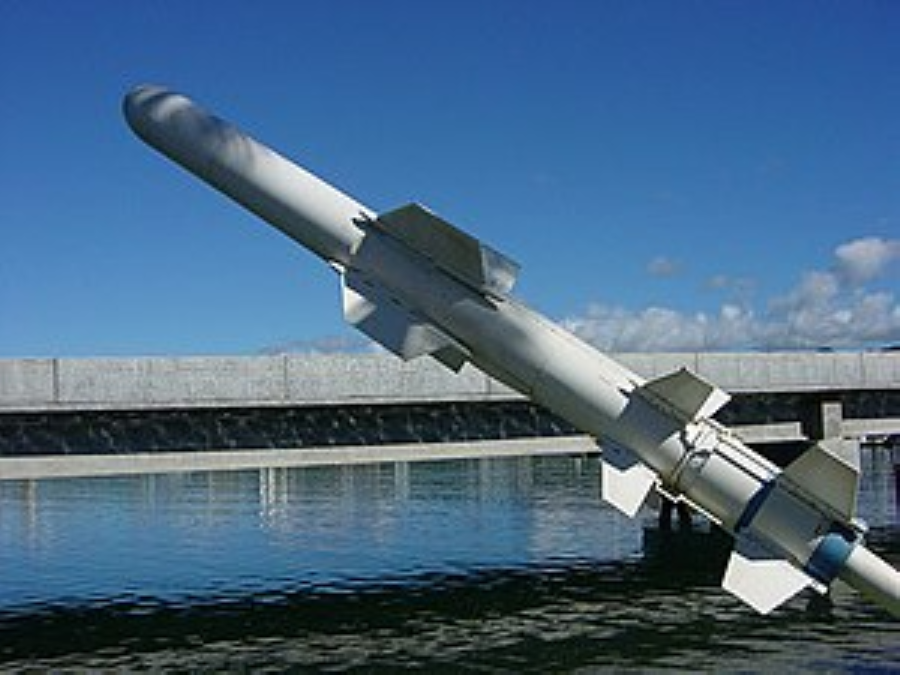
My L2 rocket was a PML 4" AMRAAM. Both drogue sand main parachutes were ejected by piston. For rockets with rigid airframe materials — fiberglass, carbon fiber, PML Quantum, MPR canvas phenolic — pistons work great. You get smooth surfaces that the piston will glide over and those surfaces are resilient enough to wash clean after lights to remove the ejection charge detritus. In addition, larger rockets with pistons also have the advantage of using deployment bags which contain the parachute and shroud lines before their deployment. The thing you're trying to avoid is anything that can wedge itself between the inner airframe and the piston's wall.
As for lower powered flight materials such as paper, paper phenolic, and even 3D printed airframes regardless of the filament type, the surface is not calendared like the composites used for high power rockets. I'd be weary of the piston traveling freely inside such an airframe. Also, it's dubious that you can clean the ejection charge detritus from the walls of the airframe and the piston.
You're probably better off with a nomex blanket or nomex deployment bag over a piston in a small rocket.
Piston design considerations: I have seen pistons in others' rockets that are too short. You need a good length of piston wall — I'd suggest no less than 1.5 times the airframe diameter to avoid the piston cocking and jamming in the airframe. The pistons in my PML AMRAAM have 6" length which is 1.5 × 4". My MPR Bolt is 3" and its pistons are 4¾ inches long. In addition, the tether should run through the piston head with strong anchoring hardware on both side of the piston's head. Also, you may find that a piston can reduce the necessary ejection charge quantities because the piston is pushing the recovery laundry out and not the ejection gasses themselves. With regards to this, you'll want a longer harness and better ground testing before you fly.
Quote from randykaustin on February 4, 2026, 9:16 amAnyone have advice on the use of a piston (powered by the ejection charge) to eject the recovery chute?
My 2¢ adjusted to 5¢ because of the demise of the penny.
Depends on the rocket and its materials.
My L2 rocket was a PML 4" AMRAAM. Both drogue sand main parachutes were ejected by piston. For rockets with rigid airframe materials — fiberglass, carbon fiber, PML Quantum, MPR canvas phenolic — pistons work great. You get smooth surfaces that the piston will glide over and those surfaces are resilient enough to wash clean after lights to remove the ejection charge detritus. In addition, larger rockets with pistons also have the advantage of using deployment bags which contain the parachute and shroud lines before their deployment. The thing you're trying to avoid is anything that can wedge itself between the inner airframe and the piston's wall.
As for lower powered flight materials such as paper, paper phenolic, and even 3D printed airframes regardless of the filament type, the surface is not calendared like the composites used for high power rockets. I'd be weary of the piston traveling freely inside such an airframe. Also, it's dubious that you can clean the ejection charge detritus from the walls of the airframe and the piston.
You're probably better off with a nomex blanket or nomex deployment bag over a piston in a small rocket.
Piston design considerations: I have seen pistons in others' rockets that are too short. You need a good length of piston wall — I'd suggest no less than 1.5 times the airframe diameter to avoid the piston cocking and jamming in the airframe. The pistons in my PML AMRAAM have 6" length which is 1.5 × 4". My MPR Bolt is 3" and its pistons are 4¾ inches long. In addition, the tether should run through the piston head with strong anchoring hardware on both side of the piston's head. Also, you may find that a piston can reduce the necessary ejection charge quantities because the piston is pushing the recovery laundry out and not the ejection gasses themselves. With regards to this, you'll want a longer harness and better ground testing before you fly.
Quote from oliverhub on February 4, 2026, 11:01 amRandy, I have had several experiences with the rigid Piston ejection on various size rockets. Mostly good. As Eric has mentioned tolerance is the biggest factor. My Candy Caddie has flown multiple times but cleaning the body tube thoroughly between flights is vital.
On my 4" Sumo, it worked perfectly on the first flight but, after getting damp on the ground, the Piston would never fit properly again.
In general, the downside of extra weight and maintenance exceed the benefit of protecting your recovery equipment. I have read about thin paper pistons, but nomex cloth is far easier.
Looking forward to seeing you at our next launch, maybe March?
Randy, I have had several experiences with the rigid Piston ejection on various size rockets. Mostly good. As Eric has mentioned tolerance is the biggest factor. My Candy Caddie has flown multiple times but cleaning the body tube thoroughly between flights is vital.
On my 4" Sumo, it worked perfectly on the first flight but, after getting damp on the ground, the Piston would never fit properly again.
In general, the downside of extra weight and maintenance exceed the benefit of protecting your recovery equipment. I have read about thin paper pistons, but nomex cloth is far easier.
Looking forward to seeing you at our next launch, maybe March?
Uploaded files: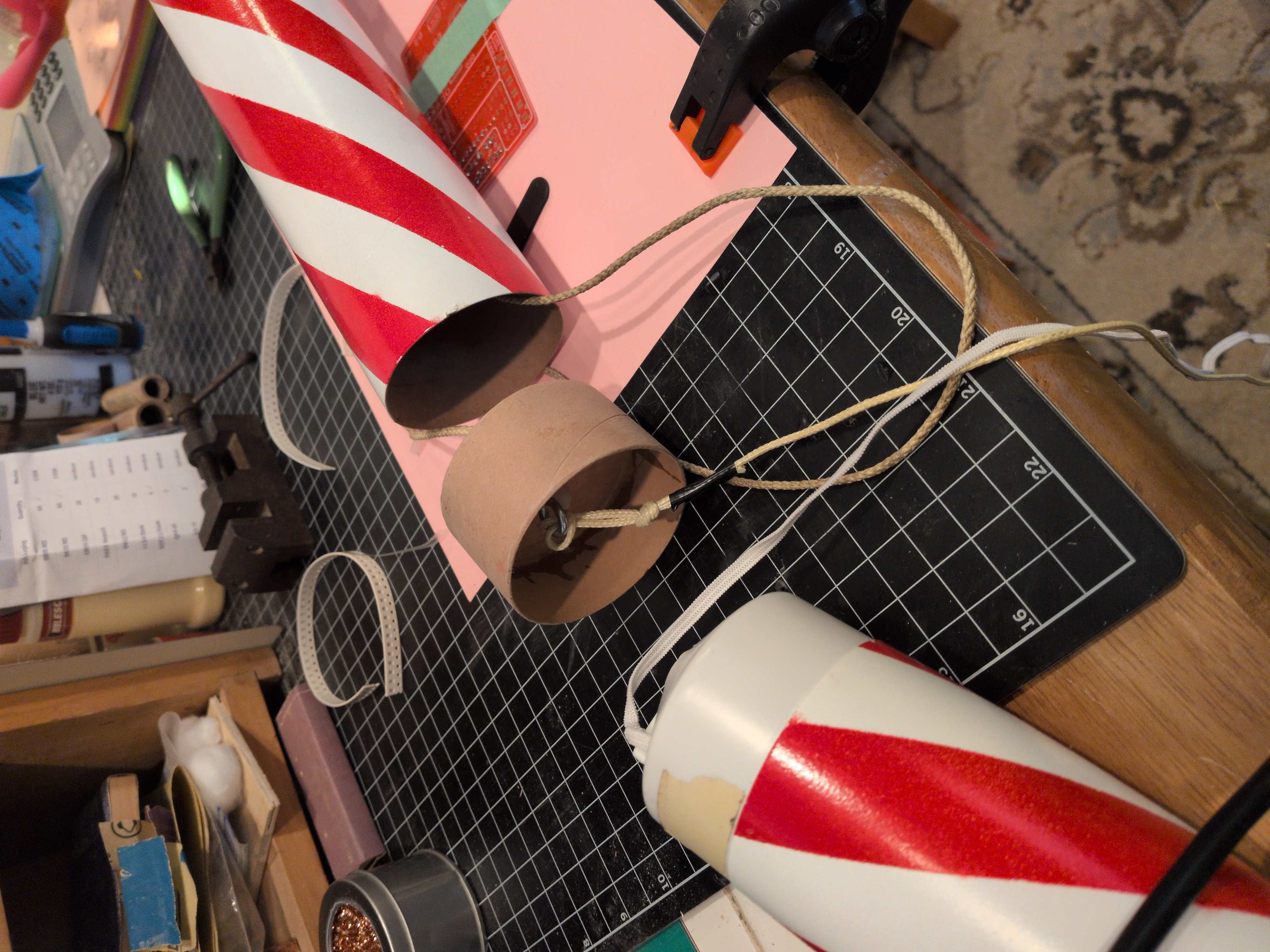
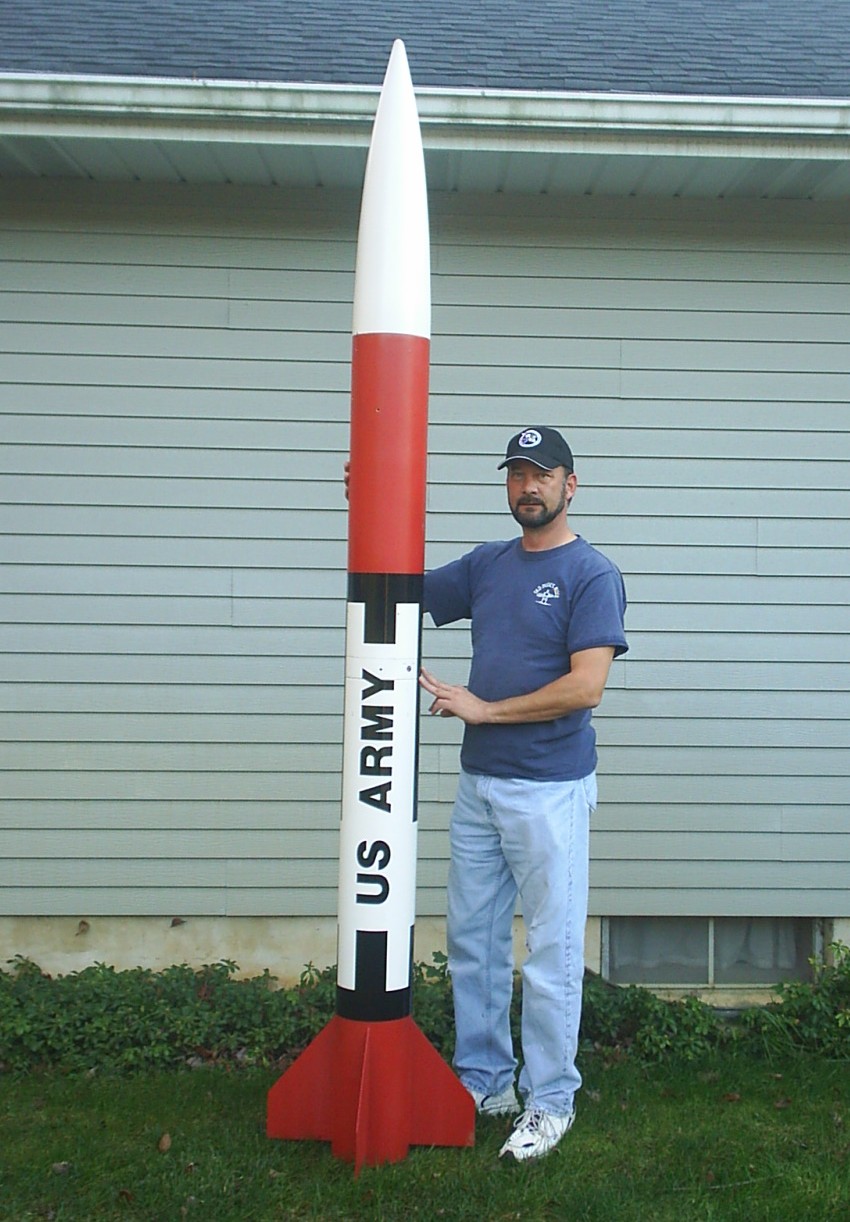
Quote from William on February 13, 2026, 4:03 pmI have a PML Callisto with piston ejection. I have flown it many times in the past. It is Quantum tubing witch is very smooth so I feel it makes the piston slide easily. Yes they did stop using them later on but I never had a problem.
I have a PML Callisto with piston ejection. I have flown it many times in the past. It is Quantum tubing witch is very smooth so I feel it makes the piston slide easily. Yes they did stop using them later on but I never had a problem.